How to Build a Lithe Type Beat That Works at 150 BPM in A Minor
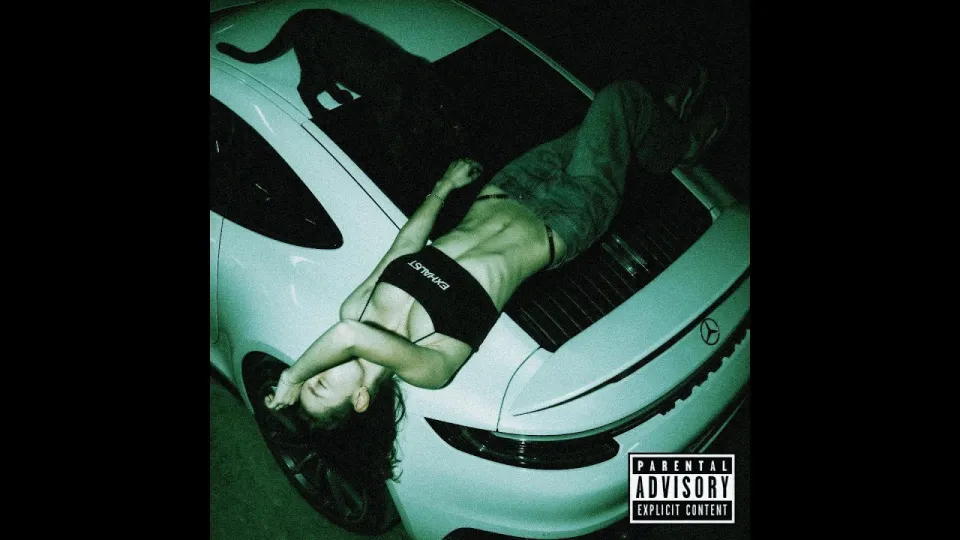
Video: (FREE) Lithe Type Beat - "DISLOYAL"
A lithe type beat is a dark, melodic instrumental built around the mood of Lithe's catalog: minor-key chords, sparse but punchy drums, and a tempo around 150 BPM. The free "DISLOYAL" beat from Escape V ™ VESCAPE is a concrete template — A minor, 150 BPM, dark R&B textures — and you can grab it through the free download and license page on BeatStars before you start building your own.
What defines a lithe type beat
A lithe type beat is defined less by one drum pattern than by a mood: nocturnal, melodic, slightly melancholic, and clean enough that a vocal sits on top without fighting the instrumental. Producers searching for a "sad lithe type beat" or a "dark lithe type beat" are usually after the same core ingredients.
- Key and harmony. Minor keys dominate. A minor is the most common choice because it lets you stack simple triads and add a ninth or eleventh without the progression sounding cluttered.
- Tempo. Lithe-adjacent tracks typically land in the 140–160 BPM range. 150 BPM is a sweet spot: fast enough for trap hi-hats, slow enough for the half-time snare to feel heavy.
- Texture. Detuned keys, soft electric piano, filtered pads, and a low-passed lead are standard. Distortion is used sparingly, usually on the bass or a single melodic layer.
- Space. The instrumental leaves room in the midrange for a vocal. Reverb tails are long but quiet, and the mix keeps the low end mono and tight.
- Drum selection. Crisp closed hats, a snappy clap or rimshot, and an 808 that glides rather than stabs. The kick is often short so it does not collide with the 808.
Recreating the "DISLOYAL" template step by step
The reference beat gives you exact parameters to work from: A minor, 150 BPM. Starting from those two values removes most of the guesswork, and the rest is arrangement.
- Set the session to 150 BPM and A minor. Lock the tempo before you write anything; changing it later alters how the hi-hat rolls and 808 slides feel.
- Build a four-chord loop. In A minor, a progression moving between Am, F, C and G, or a darker Am–Dm–Em motion, gives the melodic bed. Keep the voicings close and let one note ring across chords.
- Layer the melody twice. One clean layer (electric piano or soft synth) and one processed layer (detuned, filtered, or pitched an octave up and turned down) create the width that dark R&B type beats rely on.
- Program drums in half-time. A kick on the one, a snare or clap on the three, and 16th-note hats with occasional 32nd rolls. At 150 BPM this reads as roughly 75 BPM to the ear.
- Write the 808 to the chord roots. Glide between roots rather than hitting every kick. Sidechain the 808 to the kick so both stay audible.
- Arrange in sections. Eight bars of intro with filtered melody, sixteen bars of full drums, an eight-bar breakdown where the drums drop out, then the full loop again.
- Mix for a vocal. Carve 1–3 kHz slightly on the melodic layers, keep the 808 mono below roughly 120 Hz, and leave the center channel open.
Free download terms and licensing
The "DISLOYAL" beat is free for SoundCloud and YouTube use only, which means you cannot monetize a song built on it unless you buy a license. That distinction matters more than most beginners expect: uploading a free-for-profit track to streaming services without a license is the most common way type beat users get flagged.
- Free tier: non-profit uploads to SoundCloud and YouTube, with credit to the producer.
- Paid license: required for Spotify, Apple Music, and any monetized release. The purchase link is the same page as the download.
- Current offer: buy one get one free on the producer's catalog.
- Catalog access: all lithe beats from the same producer are collected on one BeatStars page.
If you plan to release on streaming platforms, budget for the license before you record — re-recording a mixed vocal later costs more than the lease.
Common questions from producers and vocalists
Reaction to the beat has centered on two things: how unusual the instrumental direction is and how well the arrangement holds attention. Those translate into practical questions worth answering before you commit to the template.
Is 150 BPM too fast for a sad, melodic vocal? No. At 150 BPM the drums sit in half-time, so the perceived tempo is closer to 75 BPM. Vocals can be delivered slowly and lazily over it, which is exactly the feel the style depends on.
Does the beat need to be in A minor? It does not have to be, but A minor is the most reliable starting point because it sits comfortably under most male vocal ranges and makes simple triads sound full. If a vocalist's range pulls elsewhere, transpose the whole session rather than rewriting the melody.
How do I keep a dark R&B beat from sounding empty? Fill the space with texture, not more notes: room noise, reversed reverb swells, a quiet pad an octave below the melody, and subtle automation on a filter. Density in the low mids is what makes a sparse beat sound cheap.
Can I use the free download in a paid beat tape? Only if you buy a license. The free tier covers SoundCloud and YouTube uploads without monetization; anything that generates revenue needs the paid option.
Where to find the links
All official links for the beat and the producer are collected here so nothing gets lost in a description box.
- Free download and license purchase: https://bsta.rs/u0uGk
- Full lithe beat catalog: https://bsta.rs/jLWSK
- Instagram: https://www.instagram.com/vescape.mp3/
- Official website: https://vescape.beatstars.com/
Final thoughts on the lithe type beat formula
The lithe type beat is a narrow but durable formula: a minor key, a tempo near 150 BPM, half-time drums, and a melodic layer that leaves the center channel free for a voice. The "DISLOYAL" instrumental from Escape V ™ VESCAPE shows how little you need to make it work — A minor, 150 BPM, and arrangement discipline — and the video breakdown walks through that direction in practice. Start from the free download page, study how the sections are built, then rebuild the same structure with your own chords. Once the template is in your hands, the differences that make a beat sound like you rather than a copy come from sound selection and vocal space, not from the tempo.
Key takeaways
- The reference beat "DISLOYAL" by Escape V ™ VESCAPE is set in A minor at 150 BPM.
- The beat is free for SoundCloud and YouTube only; monetization requires a purchased license.
- The producer's catalog is available with a buy-one-get-one-free offer on BeatStars.
- Lithe's sound sits between dark R&B, plugg-adjacent trap and melodic sad rap.
- 150 BPM in A minor gives a tempo and key pairing common to dark R&B type beats.
Questions & answers
What tempo and key should a lithe type beat be in?
The reference "DISLOYAL" beat is set in A minor at 150 BPM, which is a reliable starting point for the style. At that tempo the drums are usually programmed in half-time, so the track feels closer to 75 BPM to a listener. A minor also sits comfortably under most vocal ranges.
Can I release a song on the free beat on Spotify?
No. The free download is licensed for SoundCloud and YouTube only and cannot be monetized. Releasing on Spotify, Apple Music, or any paid platform requires purchasing a license from the producer.
What makes a lithe type beat sound dark rather than just sad?
Darkness comes from texture and low-end weight more than from chord choice alone. Detuned keys, filtered pads, long quiet reverb tails, and a gliding 808 under minor chords create the nocturnal feel, while a simple minor progression on its own tends to read as merely sad.
Is the buy-one-get-one-free offer tied to a single beat?
The offer applies to the producer's catalog rather than to one instrumental, so a purchase can cover a second beat from the same lithe collection. Check the current terms on the BeatStars page before ordering, since offers change.
Source: (FREE) Lithe Type Beat - "DISLOYAL" · Markdown version