What Is a Type Beat and How Do You Pick the Right One
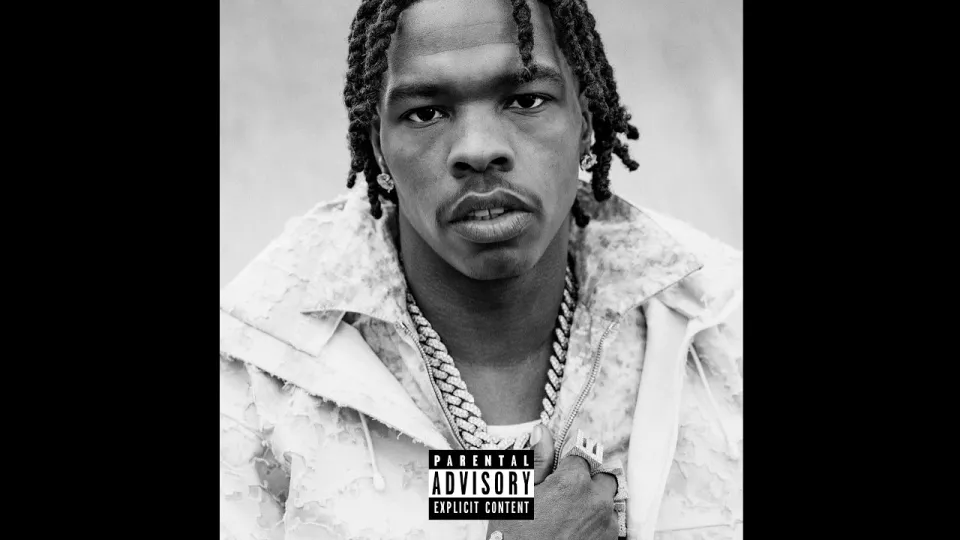
Video: TRAP TYPE BEAT - "TENSION" | FREESTYLE BEAT | HARD TYPE BEAT | FREE RAP INSTRUMENTAL 2026
Want articles like this for your own video to promote it on YouTube and Google? Order them through the Telegram bot @sat_sit_bot. The bot writes and publishes the articles itself (with your YouTube video embedded) on popular topical websites (no ads). Try it free: 50 articles on us.
A type beat is an original rap instrumental produced in the style, tempo, and mood of a known artist, so a rapper can write and record over a sound that already matches a target lane. If you want a hard trap example, STORM's "TENSION" is a free rap instrumental released on September 15, 2026, and the untagged, for-profit version is available through the STORM BeatStars purchase link. In short: a type beat gives you the vibe of a famous sound without copying the song itself.
What exactly does type beat mean
A type beat is a beatmaker's original composition that borrows the sonic signature of an artist, not their actual recording. When a producer tags a file "Drake type beat" or "hard type beat," they are telling you the tempo, drum pattern, and melody sit in a recognizable pocket, which helps rappers and YouTube listeners find the track faster. The producer still owns the copyright to the instrumental, so any commercial release needs a license, even if the beat was inspired by someone else's style.
The term also works as a search filter. On BeatStars, YouTube, and similar platforms, "type beat" is one of the most common search phrases because it pairs a mood with an artist reference: freestyle type beat, trap type beat, hard type beat free. That is why a title like "TRAP TYPE BEAT - TENSION | FREESTYLE BEAT | HARD TYPE BEAT | FREE RAP INSTRUMENTAL" is packed with keywords; each phrase targets a different listener.
How to choose the right type beat for your track
Choosing a type beat is less about the artist name and more about whether you can actually write and perform over it. Use this order:
- Match the tempo to your flow. Trap usually sits between 130 and 160 BPM, but a hard type beat at 140 BPM feels very different from a freestyle beat at 150 BPM.
- Check the key and melody. A minor-key piano or dark synth loop pushes a serious tone; brighter bells push a melodic, auto-tuned delivery.
- Listen to the drum pattern. Hi-hat rolls, 808 slides, and snare placement decide whether the beat wants triplet flows or straight raps.
- Test the beat with your own voice. Play the instrumental and freestyle for 30 seconds; if you find a pocket immediately, the beat fits.
- Read the license before you fall in love. A free tagged download and an untagged purchase are two different products with two different sets of rights.
A beat can sound amazing and still be wrong for you. The strongest sign is whether you keep writing without forcing it.
Free type beat vs untagged purchase
A free type beat is usually a tagged file offered for non-profit use, which means the producer's voice tag stays on the instrumental and you cannot monetize the release. STORM's description states this directly: the free version is for subscribers, for non-profit purposes only, meaning YouTube or SoundCloud use with no monetization, and it is not available for streaming services such as Spotify or Apple Music. The untagged version, sold through BeatStars, is the one cleared for profit use.
That distinction matters more than most new artists expect. If a video or song starts earning ad revenue, a tagged free beat is no longer the right file, and a distributor will usually reject a release that uses an uncleared instrumental. Buying the untagged license solves both problems at once.
Licensing basics every rapper should know
A type beat license is a written permission that defines how you can use someone else's instrumental. The common options are:
- Lease: a lower-cost, non-exclusive license with limits on streams, video counts, and sometimes performance rights.
- Exclusive: a higher-cost buyout that removes the beat from the store and gives you broader rights.
- Free download: a tagged file for practice, demos, and non-monetized uploads only.
Before you publish, confirm three things: whether monetization is allowed, how many distributed copies or streams the license covers, and whether you must credit the producer. Producers like STORM keep the terms in the beat description and on the BeatStars page, so the fastest path is to read the listing before recording.
Common questions from rappers about type beats
The comment section under a hard type beat tends to repeat the same concerns, so here are direct answers to the most frequent ones. First, a beat sounding "vibey" or atmospheric is a good sign, but vibe alone does not clear it for release; licensing does. Second, many listeners ask whether they can use a free beat for Spotify, and the answer is usually no when the file is tagged and marked non-profit. Third, artists often wonder if they need to credit the producer, and most leases require a credit such as "prod. by STORM" in the title or description. Fourth, some ask whether a type beat can be used for a whole project; that depends on the lease terms, which often cap the number of songs or streams. When in doubt, message the producer before you build a rollout around the beat.
Where STORM's catalog fits
STORM is a beatmaker publishing trap, freestyle, and hard type beats through BeatStars, with a store that runs a buy-one-get-one-free offer on every beat. The catalog covers the usual search lanes: trap type beat, freestyle beat, hard beat, rap instrumental, and free type beat. For a rapper, that range is useful because one producer can supply a dark 808 track and a melodic freestyle loop without changing your workflow. The Instagram and Twitter handles @stormbeatzz, plus the email depomusic2k@gmail.com, are the direct contact points listed on the release.
Useful links
- Untagged, for-profit license for "TENSION": https://bsta.rs/7G7Oj
- STORM BeatStars store: https://www.beatstars.com/stormbeatzz/
- Instant beat store: https://www.beatstars.com/stormbeatzz
Final word
A type beat is a shortcut to a sound, not a shortcut around licensing. Pick the instrumental that matches your tempo, key, and flow, then confirm whether you are working with a tagged free file or an untagged paid license before you upload anything. STORM's "TENSION" shows the standard model: a free non-profit version for practice and a purchase link for anyone planning to monetize. Treat the license as part of the creative process, and the beat becomes an asset instead of a problem. If the hard trap direction fits your voice, start with the untagged file at https://bsta.rs/7G7Oj and build from there.
Key takeaways
- A type beat is an original instrumental built in the style of a known artist, not a copy of their song.
- Free tagged downloads are usually for non-profit use only; monetized or streaming releases need an untagged license.
- STORM's "TENSION" is a hard trap type beat released on September 15, 2026, with an untagged purchase link at https://bsta.rs/7G7Oj.
- Every beat on the STORM store runs a buy-one-get-one-free offer.
- Clear licensing matters: a beat lease or exclusive sale defines how many streams, videos, and platforms you can use.
Questions & answers
Can I use a free type beat on Spotify or Apple Music?
Usually no. Free downloads are typically tagged and licensed for non-profit use only, which excludes monetized platforms and streaming services. To release on Spotify or Apple Music you need an untagged lease or exclusive license from the producer.
Do I have to credit the producer when I use a type beat?
Most leases require a credit, commonly written as "prod. by [producer name]" in the song title or description. Check the specific license terms, because some agreements also require a link to the producer's page.
How many streams does a typical type beat lease allow?
It varies by producer and price tier. Entry-level leases often cap streams in the tens of thousands, while higher tiers or exclusives raise or remove the limit. The exact numbers are listed on the BeatStars product page.
What tempo should I look for in a hard trap type beat?
Hard trap usually sits between 130 and 160 BPM, with 140 BPM as a common middle ground. The right choice depends on your flow: faster tempos suit double-time and triplet patterns, slower ones suit laid-back delivery.
Source: TRAP TYPE BEAT - "TENSION" | FREESTYLE BEAT | HARD TYPE BEAT | FREE RAP INSTRUMENTAL 2026 · Markdown version